

U.S. Sales Tax, Nexus, and Multi-State Compliance - Simplified by Antravia
U.S. sales tax is complex by design. Each state sets its own rules, nexus thresholds, sourcing standards, and filing deadlines. For businesses selling across state lines, through digital channels, or from outside the United States, sales tax obligations often arise long before they are identified.
Many companies discover exposure only after growth accelerates, systems change, or external review begins.
USSales.tax, operated by Antravia Advisory, helps U.S. and international businesses understand their sales tax exposure and stay compliant across all 50 states.
Are you a Travel Business?
Our USSales.tax page for Travel Businesses is here
US Sales Tax -
How Antravia Advisory helps
Accounting built for complexity
Sales Tax - Nexus Reviews and State Registration
We identify where your business has created economic or physical nexus and handle every step of state registration.
That includes obtaining permits, setting up your tax accounts, and confirming the correct filing frequency.
Once you’re registered, we prepare and file your monthly or quarterly returns, reconcile your data, and ensure accurate payments to each state.
We also help automate your filings, saving time and avoiding late penalties.
If you’ve discovered unregistered activity or missed filings, we guide you through voluntary disclosure agreements or back-filing programs to minimise penalties and interest.
We handle all correspondence and documentation, so you can return to good standing quickly.
State Tax Filing and Compliance
Voluntary Disclosure and Catch-Up Filings
Multi-state and local tax complexity
Beyond state-level sales tax, many jurisdictions impose additional county, city, or special district taxes.
We review how your products or services are sourced, confirm applicable local rates, and ensure correct treatment across state and local jurisdictions. This includes identifying exemptions, exclusions, or reporting obligations that are frequently overlooked.
Businesses operating through online platforms, payment processors, or marketplace models face additional sales tax complexity.
We help clarify:
When marketplace facilitator laws apply
Where registration or reporting obligations remain with the seller
How commissions, service fees, and bundled offerings should be treated
This ensures sales tax is applied correctly without unnecessary duplication or under-collection.
Marketplace and platform considerations

Antravia’s Sales Tax Services - What this looks like in practice
Sales Tax Management
End-to-end compliance support for multi-state and cross-border businesses. We manage registrations, filings, notices, and ongoing monitoring as your activity expands.
Nexus Risk Analysis and Review
A focused review identifying where registration is required, what is taxable by state, and what exposure can be monitored rather than acted on immediately. Delivered as a clear, practical action summary.
State Registrations
We register your business in required states, establish online portals, and confirm filing obligations so compliance is in place from day one.
Voluntary Disclosure Agreements (VDAs)
Where historical exposure exists, we negotiate limited lookbacks and penalty relief through state voluntary disclosure programs, handled carefully and confidentially.
International VAT Reclaims
For more info, refer to our VAT Reclaim page. We recover VAT/GST paid on eligible overseas expenses, from trade fairs, incentive trips, supplier invoices, across the EU, UK, Switzerland, Norway, and UAE. Every claim handled from documentation to submission deadlines, improving margins for global bookings.
US Sales Tax: FAQs, Articles & Expert Insights
Featured Guides
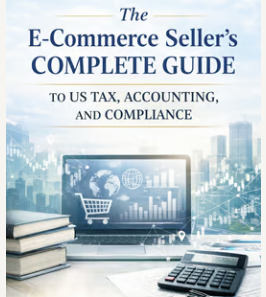
The E-Commerce Seller’s Complete Guide to US Tax, Accounting, and Compliance - Part 3: Sales Tax - The Compliance Minefield
The E-Commerce Seller’s Complete Guide to US Tax, Accounting, and Compliance - Part 3 explains US sales tax for e-commerce sellers, nexus after Wayfair, Amazon FBA inventory exposure, marketplace facilitator limits, registration and filing, VDAs, and how to use automation tools correctly.
Link
The Non-US Founder's Complete Guide to Running a US Business - US State Tax
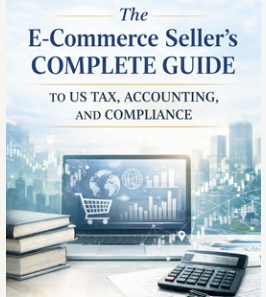
The E-Commerce Seller’s Complete Guide to US Tax, Accounting, and Compliance - Part 3 explains US sales tax for e-commerce sellers, nexus after Wayfair, Amazon FBA inventory exposure, marketplace facilitator limits, registration and filing, VDAs, and how to use automation tools correctly.


Not sure where to start? Antravia free Consultation

Disclaimer:
Content published by Antravia is provided for informational purposes only and reflects research, industry analysis, and our professional perspective. It does not constitute legal, tax, or accounting advice. Regulations vary by jurisdiction, and individual circumstances differ. Readers should seek advice from a qualified professional before making decisions that could affect their business.
See also our Disclaimer page
Antravia Advisory
Accounting built for complexity
Not legal advice, always verify with your Accountant
Email:
Contact us:
© 2025. All rights reserved. | Disclaimer | Privacy Policy | Terms of Use |
© 2025 USSales.tax — part of the Antravia Group.
contact@antravia.com
Antravia LLC
941 W Morse Blvd suite 100
Winter Park
Florida
32789